In “Understanding Our Criminal Justice System,” students learn how laws are enforced and how justice is delivered in India. It introduces key officials like the police, public prosecutor, and judge, explaining their duties and the importance of fairness. NCERT Solutions for Class 8 provide detailed answers about the stages of a criminal case and the rights of the accused. Class 8 Notes make it easy to review key steps like investigation, trial, and judgment. Through Class 8 Home Tuition, tutors use case examples to explain the justice process clearly. This chapter builds awareness of the legal system and instills respect for rule of law among young citizens.
CBSE Notes Class 8 Civics Chapter 6-Understanding Our Criminal Justice System
When we see someone violating the law, we immediately think of informing the police. Police officers filing reports and arresting persons, because of the role played by the police in arresting persons, we often get confused and think that it is the police who decide whether a person is guilty or not.
This, however, is far from true. After a person is arrested, it is a court of law that decides whether the accused person is guilty or not. According to the constitution, every individual charged of a crime has to be given a fair trial.
Most cases go through a process. Understanding these processes as well as the role that different persons should play within the criminal justice system is crucial, so that if ever the occasion should arise, every one is aware of the processes that should be followed.
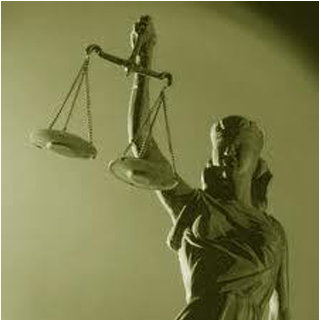
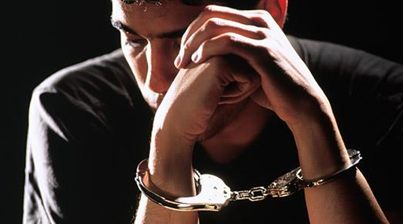
Four key players in the criminal justice system are the police, the Public Prosecutor, the defence lawyer and the judge.
Also Read: How, When and Where Class 8 Notes
What is The Role Of The Police In Investigating A Crime?
One important function of the police is to investigate any complaint about the commission of a crime. An investigation includes recording statements of witnesses and collecting different kinds of evidence. On the basis of the investigation, the police are required to form an opinion.
If the police think that the evidence points to the guilt of the accused person, then they file a charge-sheet in the court. It is not the job of the police to decide whether a person is guilty or innocent, that is for the judge to decide. Everyone is subject to the law of the land.
This includes the police. Police investigations always have to be conducted in accordance with law and with full respect for human rights. The Supreme Court has laid down guidelines that the police must follow at the time of arrest, detention and interrogation. The police are not allowed to torture or beat or shoot anyone during investigation. They cannot inflict any form of punishment on a person even for petty offences.
Also Check: Ruling the Country Side Class 8 Notes
Article 22 of the constitution and criminal law guarantee to every arrested person the following Fundamental Rights:
- The Right to be informed at the time of arrest of the offence for which the person is being arrested.
- The Right to be presented before a magistrate within 24 hours of arrest.
- The Right not to be ill treated or tortured during arrest or in custody.
- Confessions made in police custody cannot be used as evidence against the accused.
- A boy under 15 years of age and women cannot be called to the police station only for questioning.
First Information Report
It is with the registration of an FIR that the police can begin their investigations into a crime. The law states that it is compulsory for an officer in charge of a police station to register an FIR whenever a person gives information about a cognizable offence. This information can be given to the police either orally or in writing.
The FIR usually mentions the date, time and place of the offence, details the basic facts of the offence, including a description of the events. If known, the identity of the accused persons and witnesses is also mentioned.
The FIR also states the name and address of the complaint. There is prescribed form in which the police registers an FIR and it is signed by the complaint. The complainant also has a legal right to get a free copy of the FIR from the police.
Must Check: When People Rebel Class 8 Notes | Resources, Types And Development Class 8 Notes
What Is The Role Of The Public Prosecutor?
In court, it is the Public Prosecutor who represents the interests of the State. The role of the Prosecutor begins once the police has conducted the investigation and filed the charge-sheet in the court. He/she has no role to play in the investigation. The Prosecutor must conduct the prosecution on behalf of the State. As an officer of the court, it is his/ her duty to act impartially and present the full and material facts, witnesses and evidence before the court to enable the court to decide the case.
What Is The Role Of The Judge?
The judge is like an umpire in a game conducts the trial impartially and in an open court. The judge hears all the witnesses and any other evidence presented by the prosecution and the defence. The judge decides whether the accused person is guilty or innocent on the basis of the evidence presented and in accordance with the law. If the accused is convicted, then the judge pronounces the sentence.
What Is A Fair Trail?
For a trial to be fair, several different procedures have to be observed. Article 21 of the Constitution that guarantees the Right to Life states that a person's life or liberty can be taken away only by following a reasonable and just legal procedure. A fair trial ensures that Article 21 of the Constitution is upheld. Firstly, the accused has to be given a copy of the chargesheet and all other evidence that the prosecution presented against her.
The trial has to be held in an open court, in public view. Relatives and the wellwishers can attend the court hearings. The trial has to be held in the presence of the accused. The accused has to be defended by a lawyer. Lawyer of the accused is given opportunity to cross-examine all the prosecution witnesses. Advocate of the accused is given an opportunity to present witnesses for defence. The judge assumes accused to be innocent.
It is the responsibility of the prosecution to prove beyond reasonable doubt that accused is guilty. Judge decides the matter only on the basis of the evidence before the court. The judge remains impartial and if the evidence doesn't proves to be against the accused, the judge sets the accused free.
The Constitution and the law both state that all of the persons should carry out their roles in a proper manner. They all need to work to ensure that every citizen, irrespective of their class, caste, gender, religious and ideological backgrounds gets a fair trial when accused. The rule of law which says that everyone is equal before the law would not make much sense if every citizen were not guaranteed a fair trial by the Constitution.
Also Check: The Indian Constitution | Understanding Laws
Key Points Summary
Police:
- Important function of the police is to investigate any complaint about the commission of a crime.
- On the basis of the investigation, On the basis of the investigation, files a chargesheet in the court, if it finds the acccused guilty.
- First Information Reoprt(FIR) – The police investigation begins with the filing of FIR. It is compulsory for an officer in charge of a police station to register an FIR whenever a person gives information about a cognizable offence.
- FIR mentions the date, time, place of the offence, details of the basic facts, such as description of event, and if known identity of the accused person(s)s and witness(s).
Public Prosecutor:
- The P.P. represents the interests of the State.
- His role begins once the police files a charge sheet against the accused.
- It is his/ her duty to act impartially and present the full and material facts, witnesses and evidence before the court to enable the court to decide the case.
The Judge:
- The judge hears all the witnesses and any other evidence presented by the prosecution and the defence.
- If the accused is found guilty, then the judge pronounces the sentence of punishment for him.
Important Constitutional Provisions
- Article 21 of the Constitution that guarantees the Right to Life states that a person's life or liberty can be taken away only by following a reasonable and just legal procedure.
- A fair trial ensures that Article 21 of the Constitution is upheld.
Exercise 1. After a person is arrested, it is a________that decides whether the accused person is guilty or not.
(A) Executive
(B) Legislature
(C) Court of Law
(D) Any above of the
2. Other than the judge the key players in the criminal justice system are -
(A) Police
(B) Public Prosecutor
(C) Defence lawyer
(D) All of the above
3. An investigation includes recording statements of_____________and collecting different kinds of evidence.
(A) Police
(B) Public Prosecutor
(C) Witnesses
(D) Judge
4. Who has laid down the guidelines, which the police must follow at the time of arrest, detention and interrogation?
(A) Executive
(B) Legislature
(C) Supreme Court
(D) President
5. Which of the following right have not been guaranteed under the criminal law & the Article 22 of the constitution.
(A) The person arrested, detained or being interrogated has a right to inform a relative, friend or well wisher.
(B) The right to be informed at the time of arrest of the offence for which the person is being arrested.
(C) The right not to be ill treated or tortured during arrest or in custody.
(D) Confessions made in police custody cannot be used as evidence against the accused.
6. The___________usually mentions the date, time and place of the offence, details the basic facts of the offence, including a description of the events.
(A) Petition
(B) FIR
(C) PIL
(D) Appeal
7. In court, who represents the interests of the state?
(A) Police
(B) Public Prosecutor
(C) Judge
(D) Accused
8. Who news the witnesses and any other evidence presented by the prosecution and the defence?
(A) Police
(B) Public Prosecutor
(C) Judge
(D) Witness
9. ___________of the constitution that guarantees the right to life states that a person's life or liberty can be taken away only by following a reasonable and just legal procedure.
(A) Article 19
(B) Article 20
(C) Article 21
(D) Article 22
10. The essential element of a fair trial are:
(A) Accused has to be given a copy of the charge sheet and all other evidence that the prosecution presented against her.
(B) The trial has to be held in an open court, in the presence of the accused.
(C) The accused to be defended by a lawyer.
(D) All of the above
Answers
1. (C)
2. (D)
3. (C)
4. (C)
5. (A)
6. (B)
7. (B)
8. (C)
9. (C)
10. (D)