What is life in biology?
Life is distinguished from non-living entities by its association with living organisms. Living things possess an organized structure that facilitates specific functions. They are composed of either a single cell or multiple cells, where the cell serves as the fundamental and functional unit of life.
Also Check: Fertilization in BIology
Characteristics of Life
Several characteristics define living organisms:
- Homeostasis: Living beings can regulate their internal environment to maintain stability or gain an advantage.
- Metabolism: They have the ability to use anabolic processes to convert chemical energy into cellular components and engage in catabolic processes to break down organic matter.
- Growth: Living organisms exhibit an increase in size or population.
- Responsiveness: They can respond to stimuli or changes in their surroundings through metabolic pathways.
- Reproduction: The ability to reproduce and generate offspring is a fundamental feature of life.
- Adaptation: Living organisms can evolve and change over time to better suit their environment.
Also Check: Fungi in Biology
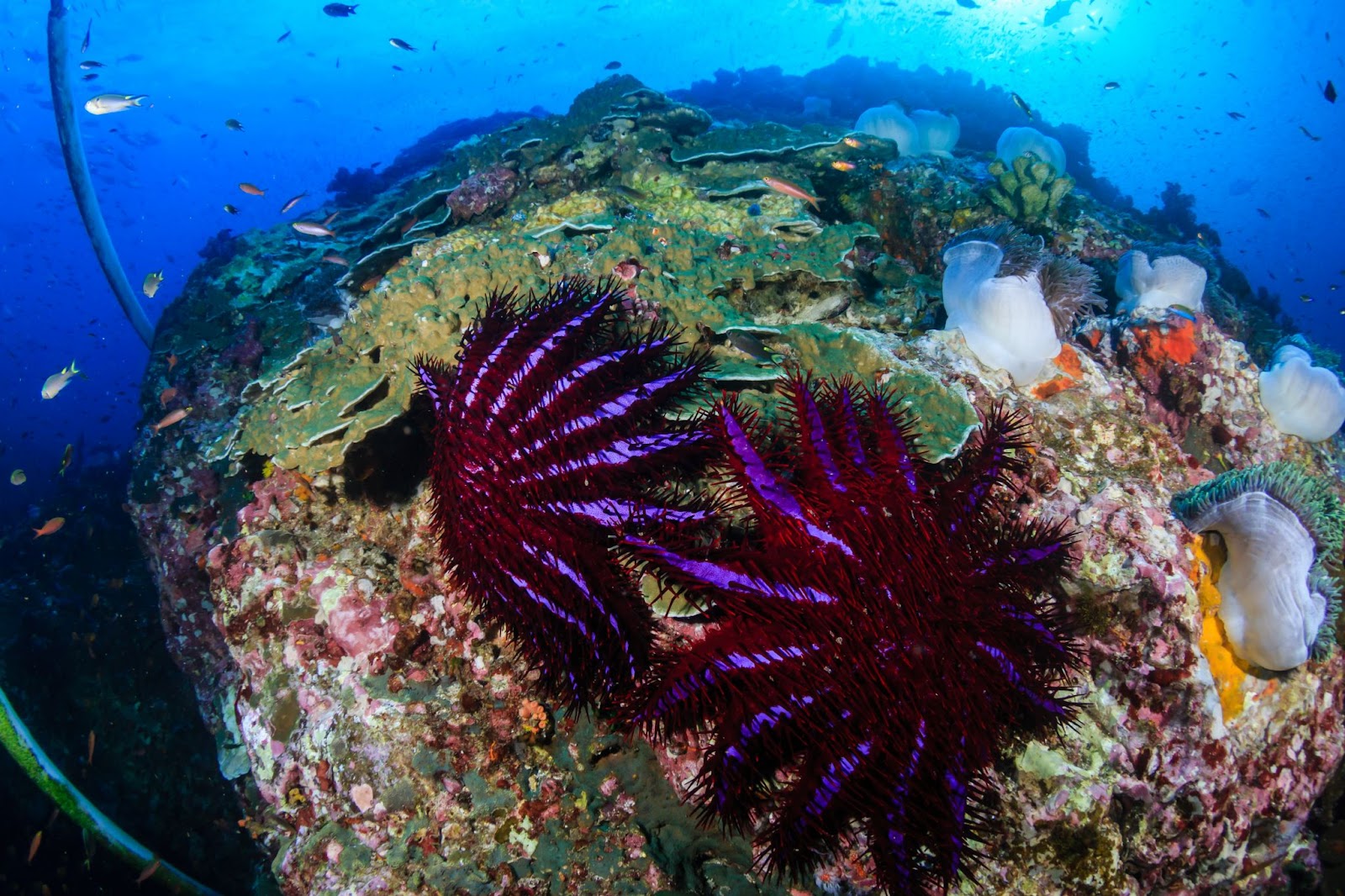
Figure- Life under water