The chapter Improvement in Food Resources teaches agriculture, animal husbandry, and sustainable farming. With NCERT solutions for Class 9 Science, students can understand modern farming techniques, crop improvement, and soil management. class 9 notes summarize fertilizers, irrigation, and food preservation for easy learning. Class 9 science tuition provides practical examples and real-life case studies to explain food resources effectively. Our Class 9 tuitions focus on conceptual clarity and exam-oriented preparation for better performance in biology exams. Understanding this chapter builds knowledge of nutrition, agriculture, and scientific farming practices, essential for life sciences.
India is a populous country with more than one billion people and is still growing. For this surplus population, about 240 million tonnes of grain is required per year. This is possible by farming on more land but there is hardly any scope to increase the area of land under cultivation. Therefore, it is necessary to increase our production efficiency for both crops and livestock.
Efforts to meet the food demand by increasing food production have led to some successes so far. Green revolution and white revolution contributed largely to the increase in food grain production and milk production respectively.
The Green revolution is an enormous increase in food production by using the improved varieties of wheat, rice, maize and other cereals. Green revolution in 1960s and 1970s has changed the economic scenario of agriculture in India. M.S. Swaminathan is the father of green revolution.
Sustainable Agriculture
The increase in crop production is achieved at the cost of chemical fertilizers, intensive use of irrigation water, chemical pesticides, etc. This resulted in some problems such as depletion of soil fertility, increase in soil salinization, nutrient imbalance, etc. Therefore, it is the prime concern of the present day agricultural scientists to develop environmentally sustainable techniques to produce enough food to satisfy the hunger of more than a billion people.
Thus, sustainable agriculture may be defined as the practice of farming and production of maximum agricultural yield through management of natural resources without disturbing the environment.
Types of Crops
The crops are classified on the basis of commerce or climate as follows:
Commercial Classification
It is based on the trade and commerce of agricultural produce.
- Food crops: They include rice, wheat, maize pulses, oil seeds, vegetables, etc.
- The cereals such as wheat, rice, maize, barley, etc provide us carbohydrates which give us energy.
- Pulses such as gram, pea, black gram (urad), green gram (moong), etc give us protein.
- Oil seeds such as soyabean, ground nut, castor, seasame, etc, give us fat.
- Vegetables, fruits and spices give us a range of vitamins and minerals.
- Fodder crops: These include oats, sorghum, etc, which are raised as food for the livestock.
- Cash crops: These include cotton, sugarcane, sugar beet, tobacco, etc.
Climatic Classification
Crops are also classified on the basis of climatic requirements like specific temperature, humidity, photoperiods, etc. Different crops require different climatic conditions. Some grow in winters and others in summers. Duration of light period during the day time affects several processes like photosynthesis, growth and morphogenesis. On the basis of seasonal variations, the crops of India can be classified as:
- Rabi: It is winter crop grown from November to April. Examples are wheat, gram, peas, etc.
- Kharif: It is a rainy season crop grown from June to October. Paddy, soyabean, maize, cotton, etc.
- Zaid: It is a summer season crop grown from April to June. Cucumbers, melons, etc are zaid crops.
Improvement in Crop Yields
Our scientists have made it possible to increase the production of food grains four times more from 1960 to 2004 with only 25% increase in the cultivable land area. It has been possible by three major activities.
- Crop variety improvement
- Crop production management
- Crop protection management
Crop Variety Improvement
Ever since man settled down in a place to start a social and cultural life, he began cultivating crops. Nearly all the present day crop plants were developed by pre historic man by altering the wild ancestral species. The present day plants are improved varieties and have been produced by careful artificial selection and plant breeding practices. Thus,
The science of improvement of plants by improving their genetic potentialities is called plant breeding.
Plant breeding techniques
There are four main plant breeding techniques. They are:
- Introduction: The seeds of a plant with some special features are brought from some place and grown in a new place. This is called introduction. If the plant species survives, it is selected for further cultivation.
- Selection: It is the oldest method of crop improvement even carried out by the pre historic human beings. Individual plants or group of plants having desirable characters like disease resistance, product quality, high yields, etc are selected eliminating the undesirable ones.
- Hybridization: It is a technique of plant breeding in which the two plants having desired characters are made to cross and develop seeds. The pollen grains of one plant (selected as male) are collected for pollination. The stigma of another plant (selected as female) is dusted with the pollen grains of male plant. After pollination, the fusion of desired male and female gametes results in hybrid embryo having characters of both the plants. The seeds of this plant are collected and grown in the fields.
There are various types of hybridizations.
- Intravarietal hybridization: It is between the two plants of same variety.
- Intervarietal hybridization: It is between two plants belonging to different varieties but same species.
- Interspecific hybridization: It is between the different species of the same genus.
- Intergeneric hybridization: It is between different genera.
- Recombinant DNA technology or Genetic Engineering: The above mentioned methods of crop improvement (such as selection and hybridization) involves the complete genome of plants. The latest recombinant DNA technology involves transfer of one or more genes from one plant to another. The plant in which the foreign gene has been introduced is called transgenic plant or genetically modified plant (GMO).
Aims and objectives of plant breeding
The various factors for which variety improvement is done are as follows:
- High yield: It is the main concern of the plant breeder which is achieved by developing and selecting more efficient genotype.
- Improved quality: Quality is another objective of plant breeding. For example sweet, juicy and seedless oranges are preferred over a large number of sour, pithy ones. Quality improvement is required in grain size, protein quality in pulses, cooking quality in rice, malting quality of barley, etc.
- Biotic and abiotic resistances: Under natural condition the crop plants are prone to certain biotic (diseases caused by bacteria, fungi, etc, or damage caused by insects) and abiotic (drought, salinity, heat, etc) stresses which cause a great loss of production. Plant breeders, therefore, develop resistant varieties to control these stresses.
- Changes in maturity duration: By reducing the time duration from sowing to harvesting, the production of a crop can be increased many times. The farmers can grow many rounds of crops in a year in the same field by reducing the duration of crop. Uniform maturity of crop makes the process of harvesting easy and reduces losses during harvesting.
- Wider adaptability: An ability to withstand the extremes of moisture, drought, temperature, by cultivated plants is another desirable trait by the breeders. Developing such varieties, which can be grown under different environmental conditions, help farmers to grow one variety under different climatic conditions in different areas.
- Desirable agronomic characteristics: Plant breeders have also extended their hands towards the improvement of plants for the other needs. For example, cotton with long fibres and more fabric strength has been developed through hybridization.
Crop Production Management
The continuous growth of human population and degradation of ecological balance would affect the various aspects of agriculture. So the scientists were of the opinion that food production should increase substantially without disturbing the ecosystem, balanced use of manures and fertilizers, application of chemical and biofertilizers, etc.
These practices help in lowering of soil erosion, provide better facility for maximum utilization of nutrients, improve the fertility of soil, enhance crop production and help in eradication of weeds.
Nutrient management
Plants also require nutrients for building their structure and maintaining their body functions. Besides soil, the nutrients are also supplied to plants by air and water. There are 16 elements which are essential for plants. These are:
| 1. Carbon | 2. Hydrogen | 3. Oxygen | 4. Nitrogen |
| 5. Phosphorus | 6. Potassium | 7. Calcium | 8. Magnesium |
| 9. Sulphur | 10. Iron | 11. Manganese | 12. Boron |
| 13. Zinc | 14. Copper | 15. Molybdenum | 16. Chlorine |
Out of sixteen nutrient elements required by plants, carbon and oxygen are supplied by air; hydrogen is supplied by water and remaining thirteen elements are supplied by soil. The elements like nitrogen, phosphorus, potassium, calcium, magnesium and sulphur are called as macronutrients as they are required in larger amounts.
The remaining seven elements are called micronutrients as they are required in small amounts. Sometimes a particular mineral element or a group of elements may be deficient in the soil, then the plants will show the deficiency symptoms. Deficiency of nutrients may affect physiological processes in plants including reproduction, growth and susceptibility to diseases.
To overcome the problem of deficiency of mineral nutrients and to increase the yield the soil can be enriched by supplying these nutrients from the external sources which are grouped under two broad categories.
Manures: Manures are partially decomposed organic material added to the soil to increase the fertility of soil and productivity of crop. The manures are of the following four types:
- Farmyard manure: It is made up of dung of farm animals, urine, crop residues which are allowed to partially decay with the help of microorganisms. These microbes form some degradation product and humus which are easily assimilated by plants.
- Compost: It is prepared by degrading the dung of farm animals, farm wastes and other organic debris in specially designed pits (either exposed or covered by a mud pack) for a desired period of time. It takes about 6 – 8 months to prepare the compost.
- Vermi-compost: The earthworms, popularly known as 'farmer's friend' is known to form an eco-friendly compost, called 'Vermi-compost' derived from organic wastes. Earthworms are known as 'Nature's ploughman' which promotes soil aeration, crush and mix the soil particles, convert the nutrients into simpler forms, act as scavenger of pathogenic bacteria and promote the activities of beneficial bacteria in the soil.
- Green manure: Many leguminous and non-leguminous crops are grown in the field. They are then mulched by ploughing while they are still young and green. This practice is used to enrich the soil in nitrogen and phosphorus. The most commonly used green manures in India are – Sun hemp, cow-pea, berseem, etc.
Advantages of using manure: Many organic substances of biological origin present in the manure can be easily degraded and absorbed by plants. Thus, excessive use of chemical fertilizers can be reduced.
- Manures help in recycling of biological waste (farm waste).
- The manure loosens the soil, increases its aeration and makes the soil fertile.
- It increases water holding capacity in sandy soil, drainage in clayey soil and prevents water logging.
Fertilizers: Fertilizers are commercially produced synthetic chemical substances added to the soil to overcome the deficiency of mineral nutrients and to maintain the fertility of soil. Fertilizers supply nitrogen, phosphorus and potassium (NPK). But the fertilizers should be applied carefully in terms of proper dose, time and observing pre and post-application precautions for their complete utilization.
For example, sometimes fertilizers get washed away due to excessive irrigation and are not fully absorbed by the plants. This excess fertilizer then leads to water pollution. Further, a continuous use of fertilizers in an area can destroy soil fertility because the organic matter in the soil is not replenished. Moreover, the microbes present in the soil get harmed by continuous use of chemical fertilizers. Fertilizers give short-term benefits whereas manures give long-term benefits.
Advantages of fertilizers:
- It enhances good vegetative growth (leaves, branches and flowers) to make the plants healthy.
- Fertilizers are generally used by rich farmers to ensure higher yield.
Fertilizers are of different types on the basis of availability of nutrients. They are Nitrogenous fertilizers (such as (NH4)2SO4; NaNO3; NH4NO3, etc). Phosphatic fertilizers (such as Dicalcium phosphate, single super phosphate, etc), Potassic fertilizers (such as KCl, K2SO4, KNO3, etc) and complex fertilizers having at least two or more nutrients, etc.
Organic farming
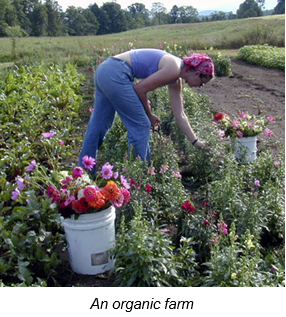
Modern agricultural production enormously uses chemical fertilizers and chemical pesticides. These agricultural chemicals are not always beneficial to the mankind as they cause some deteriorating effects on the environment and ecological stability. Organic farming is a farming system with minimal or no use of chemicals. In this farming the use of organic manures and biofertilizers are recommended. The organic manures help in recycling of farm-wastes. Biofertilizers are also harmless.
They have the microbes which bring about soil nutrient enrichment, maximize the ecological benefits and minimize the environmental hazards. Some bio-agents like blue-green algae are used for this purpose. Similarly, herbicides and pesticides are replaced by biopesticides (such as Neem leaves or turmeric especially during grain storage). The organic farming also recommends the healthy cropping system in the form of mixed cropping, intercropping, etc.
Irrigation
Water, an indispensable treasure for life, is also a basic component for all types of agriculture. The soil becomes barren without water. The basic source of water is rainfall and in India most of the agriculture is rain-fed. However, the monsoonal climate is erratic with respect to onset, intensity, duration, distribution and retreat. To avoid this, our agriculture needs an alternative arrangement of water supply called irrigation.
Thus, irrigation is defined as the application of water to the soil for the purpose of supplying moisture essential for plant growth especially during stress periods. Intermittent drought and poor rainfall poses a serious threat to rain-fed farming areas. Under such conditions irrigation system is adopted to supply water from different water resources.
Some common irrigation systems are:
Wells: The ground water is an important source for irrigation from wells. Wells are of two types.
- Dug wells: They are open wells and get water from water bearing strata. They soon become dry whenever water table goes down and are generally owned by farmers privately.
- Tube wells: Privately owned shallow tube wells are mostly run by electrically operated or diesel operated pump sets. Deep tube wells have longer life period of 20 -25 years.
Canal system: Canal system of irrigation is considered best because of its interrelation with a number of other aspects. For example, generation of hydroelectricity, flood control, mitigating drought and other hazards. Canals draw water from rivers or from artificial reservoirs. They are divided into branches and distributaries to cover maximum areas for irrigation.
River lift system: In areas where canal system is a failure due to inadequate reservoir release, the river lift system is more rational. Water from the rivers is directly drawn to supplement irrigation in areas close to the rivers. In India there are three major types of rivers. They are:
- The Himalayan rivers: They are perennial rivers, e.g. the Indus, the Ganga, etc.
- The rivers of central India and deccan: They are seasonal rivers, e.g. Godavari, Krishna, Mahanadi, etc.
- Coastal river: They have ephemeral character.
Tanks: These are water reservoirs where water is stored for irrigation, flood control, pisiculture, etc. They help in rain water harvesting and recharging ground water table.
Cropping patterns
In order to get maximum benefit from a piece of land, there are different patterns of growing crops.
- Mixed cropping pattern: Usually only one crop is grown in the field at a time. But some problems like inadequate climate, attack of pathogens or insects, etc, may result in the failure of the crops. This can be avoided by growing two or more crops simultaneously on the same piece of land.
For example, if wheat and gram or wheat and mustard, etc, are grown simultaneously in a field, it will save atleast one crop at the time of adverse conditions because specific pathogens cause diseases to specific crops and not the other. Thus, growing two or more crops in a field is highly advantageous.
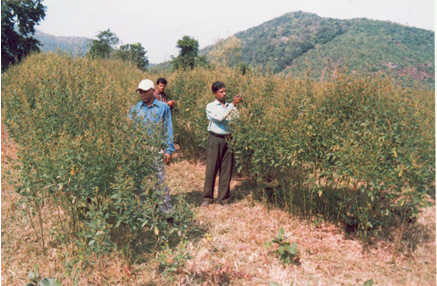
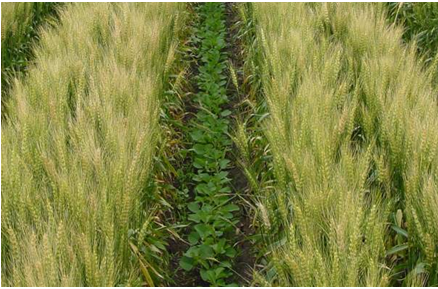
- Inter cropping pattern: This is another type of cropping system in which two or more crops are grown simultaneously on the same field but they are not mixed with each other. They are grown in a set pattern such as a few rows of one crop alternate with a few rows of a second crop.The crops should have different types of nutritional requirements in order to utilize maximum nutrients from the soil.
This pattern also prevents pests and diseases to spread in all the plants of one crop in the field. The following crop combination is grown in inter-cropping pattern.
- Cotton + Moong bean
- Wheat + Mustard
- Finger millet (bajra) + cow pea (Lobia)
- Crop rotation: The fertility of soil is reduced if one crop is grown in a field for several years. The soil shows deficiency of same type of nutrients. Also, the disease causing pathogens multiply and increase in number as they get their host every year. This can be avoided by growing different crops in a pre-planned succession. For example, a mustard crop is alternated with sugarcane which is again alternated with berseem or any other crop. Such types of planned alternate cropping is called crop rotation.
Crop Protection Management
The crop provides us the products of economic or commercial values and thus it becomes our prime duty to provide protection to crop plants from their enemies. The various enemies of our crop plants are:
Weed
A weed is an unwanted plant species growing spontaneously a habitat. Weeds damage our crop plants by competing with them for space, water, light and nutrients. The eradication of weeds from crop fields during the early stage of crop growth is our prime concern. Some of the important weeds of our crop fields are parthenium, xanthium, etc.
Weed control management The most commonly used methods of weed control are
- Hand pulling: Individual weed plants are pulled by hand.
- Tillage and Mowing: Methods of destruction of weeds and reduction of their seeds in the soil.
- Use of chemical herbicides: A variety of chemical compounds with herbicidal activity are applied to the fields.
- Cropping and competition methods: Weeds are also controlled by proper bed preparations, timely sowing of crops, intercropping, summer ploughing, etc.
Insect pests
Harmful pests of our crop plants are small insects which attack the plant in 3 ways.
- (i) Chewing insect: They cut the root, stem and leaf and swallow these pieces of plant parts. e.g. Locusts.
- (ii) Sucking insects: They suck the cell sap from various parts of the plant with the help of their needle like hollow mouth parts, e.g. Bugs.
- (iii) Internal feeders: They bore into seeds and fruits, live inside and harm the crop yield, e.g. Borers.
Disease causing agents (pathogens)
Many pathogenic organisms like fungi, bacteria, viruses, nematodes, etc, damage the plants and reduce the yield. These diseases are infectious and can be transmitted through soil, water and air. Some of these diseases are epidemic and cover a large area of population resulting in severe outbreak. The varieties of chemical substances depending upon the kind of organisms they destroy are:
- Insecticides (used against insects)
- Fungicides (used against fungi)
- Bactericides (used against bacteria)
The regular use of these pesticides may be hazardous causing poisoning. In this regard integrated pest management (IPM) favours biological control methods which are ecologically safe. The fruits and vegetables treated with biopesticides have better taste and shine.
Storage of Grains
Proper storage of harvested grains and other agricultural produce is necessary to get seasonal food regularly throughout the year. In India the loss due to improper storage of grains has been estimated to be approximately 9% annually.
Storage grain losses: There are two factors responsible for losses during storage. They are:
- Biotic factors: These are living organisms which influence the storage of grains and include insects (beetle, weevil, etc), rodents (rat, mouse, etc), birds, fungi, bacteria, viruses, etc.
- Abiotic factors: These are non-living environmental factors and include moisture, temperature, etc. Moisture and humidity invite disease causing organisms which disintegrate the reserve food materials causing discoloration and weight loss. High temperature favours growth of microbes. All these leads to poor marketability.
Preventive and control measures: Destruction of grains during storage can be prevented by the following methods:
- Cleaning of the produce before storage: Cleanliness should be taken care of in storage. The agricultural produce should be filled in gunny bags before keeping in godowns, warehouses, etc.
- Drying: Grains and specially non-perishable food such as sugar, spices, nuts should be first dried in sunlight and then in shade reducing the moisture content below 9%.
- Fumigation: Chemical pesticides used as fumigants (solution of pesticides being converted into fumes) kill the insect pests and other harmful biological agents.
Solved Examples (One Marks Each)
Question: Name any two oil seeds.
Solution: Soyabean and Ground nut.
Question: What is hybridization?
Solution: Hybridization is a technique of plant breeding in which the two plants having desired characters are made to cross and develop seeds.
Question: What is vermi-compost?
Solution: The compost prepared by using earth worms for decomposition of plant and animal refuse in called vermi-compost.
Question: What are the different systems of irrigation?
Solution: Some common irrigation systems are dug wells, tube wells, canal system, tanks, etc.
Solved Examples (Two Marks Each)
Question: What are macronutrients and why are they called macronutrients?
Solution: The macronutrients are nitrogen, phosphorus, potassium, calcium, magnesium and sulphur. They are called macronutrients because they are required by crop plants in larger amounts.
Question: How are plants selected?
Solution: It is an old method of crop improvement. Individual plant or group of plants with desirable resistance, high yields, etc are selected eliminating the undesired ones.
Question: Why should preventive measures and biological control methods be preferred for protecting crops.
Solution: Preventive measures (such as use of resistant varieties) and biological control methods should be preferred for protection of crops because they are ecologically safe, target specific and harmless to other life forms.
Solved Examples (Three Marks Each)
Question: Describe how genetically modified crop is produced.
Solution: Selection and hybridization methods involve the whole genome of plants. The latest recombinant DNA technology or genetic engineering involves transfer of one or more genes (i.e., DNA fragments) from one plant to another. The plant in which the foreign gene has been introduced is called genetically modified plant.
Question: Differentiate between manure and fertilizer.
Solution:
| S.No. | Manure | Fertilizer |
|---|---|---|
| 1. | Manure is a natural substance. It is obtained by the decomposition of animal wastes such as dung (gobar) of cattle and buffaloes and plant residues. | A fertilizer is a man made substance. It is an inorganic salt or an organic compound. |
| 2. | A manure contains small amounts of essential plant nutrients such as nitrogen, phosphorus, K, Na, Fe, etc. | Fertilizers are very rich in plant nutrients such as nitrogen, phosphorus and potassium. |
| 3. | A manure adds a great amount of organic matter in the form of humus in the soil | A fertilizer does not add any humus to the soil. |
| 4. | Manure is voluminous and bulky so it is inconvenient to store, transport, handle and apply to the crop. | A fertilizer is compact and concentrated so it is easy to store, transport and apply to the crop. |
Solved Examples (Five Marks Each)
Question: What are the various enemies of crop plants? Write in detail about them.
Solution: The various enemies of our crop plants are:
Weed A weed is a plant species growing spontaneously at unwanted habitat. Weeds damage our crop plants by competing with them for space, water, light and nutrients. The eradication of weeds from crop fields during the early stage of crop growth is our prime concern. Some of the important weeds of our crop fields are parthenium, xanthium, etc.
Insect pests: Harmful pests of our crop plants are small insect, which attack the plant in 3 ways.
- Chewing insect: They cut the root, stem and leaf and swallow these pieces of plant parts. e.g. Locusts.
- Sucking insects: They suck the cell sap from various parts of the plant with the help of their needle like hollow mouth parts. e.g. Bugs.
- Internal feeders: They bore into seeds and fruits, live inside and harm the crop yield e.g. Borers.
Disease causing agents (pathogens): Many pathogenic organisms like fungi, bacteria, viruses, nematodes, etc, damage the plants and reduce the yield. These diseases are infectious and can be transmitted through soil, water and air. Some of these diseases are epidemic and cover a large area of population resulting in severe outbreak.
Proficiency Test - 1
Q. 1 – 5 are of one mark each.
Q. 6 and 7 are of two marks each.
Q. 8 and 9 are of three marks each.
Q. 10 is of four marks.
- Define sustainable agriculture?
- What are micronutrients?
- Name some fodder crops raised as food for the livestock.
- What is 'Zaid'? Give examples.
- How do biotic and abiotic factors affect crop production?
- What is green manure? Give example.
- What are the different types of insect pests harming our crops?
- What is crop rotation? How is it advantageous?
- Write a note on organic farming.
- What are the aims and objectives of plant breeding?
Animal Husbandry
Animal husbandry is farming or management of animals mainly for their proper economic utilization. The animals are mostly domestic animals and are called livestock. Examples are cow, bull, horse, deer, pig, camel, etc. Good animal husbandry practices are needed to meet the growing demand of milk, eggs, meat, etc.
Cattle Farming
Cows and bullocks form the backbone of Indian Agriculture and play an important role in the rural economy. The two species of cattle in India are cow (Bos indicus) and buffalo (Bubalus bubalis).
Purpose of cattle farming
Cattle farming is done for two purposes.
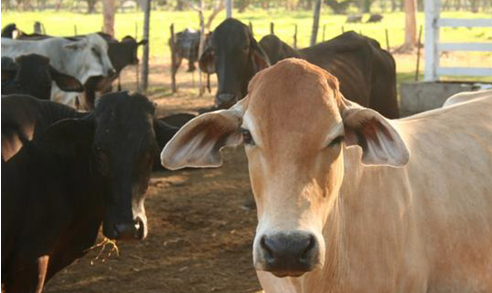
- Dairy animals: These animals called milch animals are kept for obtaining milk. These include cow, buffalo, goat, camel and yak. These animals provide us milk and milk products.
- Draught animals: These are animals used in agriculture for transport. Example is horses, elephants, bullocks, etc. Draught animals are also used for tilling and irrigation.
Milk production
Production of good quality milk depends on several factors.
- Influence of breed: Some exotic breeds like jersey cows (native of Jersey, U.S.A) produce on an average of 60 litres of milk in a day whereas local breeds like Red Sindhi and Sahiwal produce average of only 6 – 8 litres of milk per day. However, the milk of Red Sindhi contains more fat than Brown swiss (exotic breed).
- Duration of Lactation period: The period from the time the calf is born until the cow ceases to give milk is called the 'Period of lactation'. The lactation period of Red Sindhi cow is 230 – 345 days whereas lactation period of the exotic breed is longer.
- Other factors: Seasonal changes affect milk production such that the quality of milk is better in cold weather and decreases in warm weather. The physical health and variation in feeds also affect milk production.
Breeding for the desired quality
Desired quality can be obtained by selective cross breeding techniques. This is done by natural or artificial insemination method. A local bull is selected for disease resistance and an exotic cow is selected for prolonged period of lactation and high yield of milk.
Proper housing
Proper housing provides increased production of high quality milk and proper disease control. It protects them from sun burns, rain, hot and cold winds, etc. Besides proper shelter, regular brushing to remove dirt and loose hair is also required. The floor of the cattle shed should have a slope connected with perfect drainage system which makes the shelter dry and free from dirty water.
Feeding
The food required by dairy animals is called feed which includes palatable, laxative, appetizing and balanced ration with sufficient green and all nutrients in proper amounts. They also must get large quantity of water for milk production. Dairy animals require food for two basic purposes.
- To maintain a healthy body so as to perform all life activities.
- To produce milk during lactation period.
A normal feed of dairy animals (cows and buffaloes) consist of two kinds of components.
- Roughage: It contains mostly fibres which come from hay (straw of cereals or Bhusa), green fodder (e.g. berseem, cow pea, etc) and silage.
- Concentrates: It consists of mixture of less fibrous substances and protein, fat carbohydrate, vitamins, mineral rich substances. Cattle need balanced rations containing all the nutrients in proportionate amounts. Besides such nutritious food material, certain feed additives containing micronutrients promote the health and milk output of dairy animals.
Diseases of cattle
Cattle suffer from several diseases which may not only cause ill health but reduce the milk production and in severe cases lead to the death of the animal. A healthy animal ruminates and breathes normally and maintains a proper posture. The disease causing parasites of cattle may be external or internal. The external parasites live on the external skin of the body and cause skin diseases. These include blood-sucking lice, licks, fleas and miters. The internal parasites live inside the body of animals. For example, Ascaris (round worm) lives in the stomach and intestine of dairy animals, liver flukes (Fasciola) live in the liver. Many infectious diseases are caused by fungi, bacteria and viruses.
Some of the infectious diseases caused by bacteria are Anthrax and Haemorrhagic septicemia. The viral diseases are foot and mouth disease (blisters appear on the mouth and foot) and Rinderpest or cattle plague (ulceration in the mouth).
Poultry Farming
Poultry is a class of domesticated fowl used for food and their eggs. The common poultry birds are chickens, turkeys, ducks, geese, pigeons, etc. Eggs and high quality meat serve as cheap sources of animal protein. Poultry farming includes housing, rearing, sanitation, disease control and marketing of poultry birds and their products. An emphasis is being laid by breeders to improve the egg laying qualities in layers (egg layers) and to improve the quality of meat in broilers.
Variety improvement through breeding
Improved breeds of poultry birds is the prime concern of poultry farming which is achieved by cross breeding between indigenous breeds (Aseel, kadaknath, etc) and exotic breeds (Leghorn, play mouth, etc). The improved varieties are developed for the following desirable traits:
- Number and quality of chicks.
- Dwarf broiler parent for commercial chick production.
- Summer adaptation capacity/tolerance of high temperature.
- Low maintenance requirements.
- Reduction in size of egg-laying bird with ability to utilize more fibrous, cheaper diets formulated using agricultural by-products.
Egg and broiler production
Good management practices are important for good production of poultry products. A special attention must be given to maintain adequate temperature and hygienic conditions in poultry farms, especially in their housing and feeds. The broilers, however, require some what different nutritional and environmental requirements as compared to egg layers.
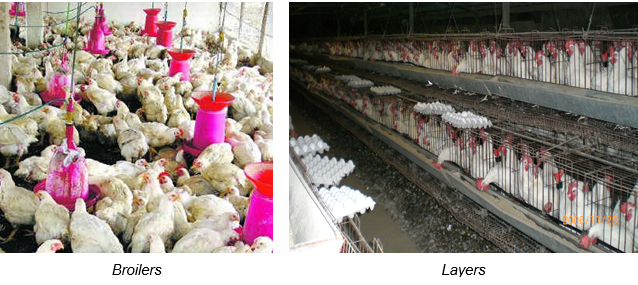
| Layers | Broilers |
|---|---|
| 1. Layers are egg-laying birds, managed for the purpose of getting eggs. | 1. Broilers are maintained for getting meat. |
| 2. Layers start producing eggs at the age of 20 weeks. So they are kept for longer period depending upon laying period (approx. 500 days). | 2. They are raised upto 6-7 weeks in poultry farms and then sent to market for meat purposes. |
| 3. They require enough space and adequate lighting. | 3. They require conditions to grow fast and to have low mortality. |
| 4. They need restricted and calculated feed with vitamins, minerals and micronutrients. | 4. The daily food requirement (ration) for broilers is rich in protein and vitamins A and K. The fat contents should also be adequate. |
Diseases of poultry
Poultry birds suffer from a variety of diseases caused by nutritional irregularities. Viral diseases (Bird fluke, Ranikhet, etc), bacterial diseases (fowl cholera, Tuberculosis, etc) are common. They also have arthropod infestations of lice, fleas, ticks, etc. A regular check-up is needed and all preventive measures must be taken to control the diseases and pests related with the poultry. Some of the preventive measures:
- Proper cleanliness and sanitation should be maintained.
- Spraying of disinfectants at regular intervals.
- Poor ventilation and dampness should be avoided.
- Appropriate vaccination.
Fish Production
Fish is a cheap source of animal protein for our food that is easily digestible. Fish production includes the finned true fish as well as shellfish such as prawns and molluscs.
Fish is a term that includes AGNATHA (i.e. jaw-less fish), CHONDRICHTHYES (i.e. cartilaginous fish) and OSTEICHTHYES (i.e., bony fish). Besides true fishes (i.e. fin fishes) there are other animals commonly called fish like jelly fish (Aurelia), cuttle fish, star fish and shell fish (prawns and molluscs). Any water dwelling animal is commonly called fish but a true fish is a gill-breathing, water dwelling vertebrate that possesses fins.
The process involved in obtaining fish from the source is called fishing, i.e., catching of fish. The two different sources of obtaining fish.
Natural resources (Capture Fishery)
There are two natural resources for fishing:
- Marine fisheries: It is the branch of fisheries concerned with obtaining fish from oceans and seas. The fisherman enters into the sea and catches fish by different kinds of fishing nets and gears operated by fishing vessels. Modern equipments include ecosouders and satellites to locate large school of fish in order to increase fish production from the sea. The common fish varieties are: Pomphrets, Mackerels, Tuna, Sardines, Hilsa, Eel, Bombay duck, etc.
- Inland fisheries: Inland fisheries include capture fishing from fresh water resources like rivers, canals, tanks, ponds, lakes, etc as well as brackish water (saline water from sea mixing with fresh water) resources like estuaries and lagoons. The common fish varieties are: Rohu, Catla, kalbasu, Mrigal, Sanghara, Chital, etc.
Fish farming (Culture Fishery)
It is a kind of business and research activity concerned with culturing, feeding, breeding and production of fishes in marine and fresh water ecosystem. The two categories of fish farming are:
- Mariculture: Culturing of marine fishes in coastal water on commercial basis is called mariculture. It includes sea fish of high economic value such as Mullets, Bhetki, Pearl spots, etc; shell fish such as prawns, Mussels, Oysters, sea weeds, etc. Besides getting sea food, oysters are also cultivated for the pearls. These sea foods have significant economic value and considered high valued food as delicacies.
- Aquaculture: Fish culture in inland water bodies is called aquaculture. There are several types of fresh water fish culture system.
- Fish culture in cages: Large cages made of bamboo or steel is lowered into fresh water and some special types of fishes are cultured in these cages.
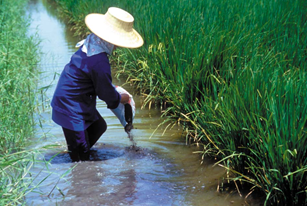
- Integrated fish culture: The culturing of fish is combined with other agricultural crops (such as paddy, banana, etc)or along with poultry farming so that the excreta of birds is used as food in fish culture ponds. The best integrated fish culture system combines growth of fishes in water of paddy field. The farmer gets benefit of both.
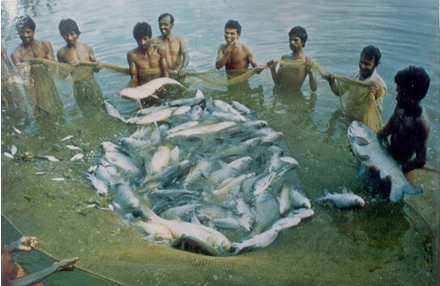
- Composite fish culture systems: In this system a combination of five or six species of fish is cultured in a single fish pond to enhance yield with the same cost and to utilize most of the available food in the water reservoir. Selection of fish is done on the basis of the following characters.
- The selected species are fast growing.
- They do not compete with each other for space and nutrition.
- They live in distinct zone inside the pond. For example, Catla and Silver carp live mostly in the surface zone; Rohu and Grass carp live in the middle zone and Mrigal and Common carp live at the bottom.
- The feeding habits of selected species are distinct. For example, Silver carp feeds on phytoplanktons, Catla feeds on zooplanktons; Rohu and Mrigal feed on decaying plants and detritus, Grass carp feeds on aquatic plants and weeds.
There are certain problems in fish farming though it is economical and profitable business. One major problem is availability of good quality seeds (eggs or spawn) which is only available during the monsoon months. If one tries to obtain seeds from natural sources then there are chances of seeds of desired species getting mixed with those of undesired species.
To overcome this problem, ways have now been worked out to breed these fishes in ponds using hormonal stimulation. This has ensured the supply of pure fish seed in desired quantities.
Bee - Keeping
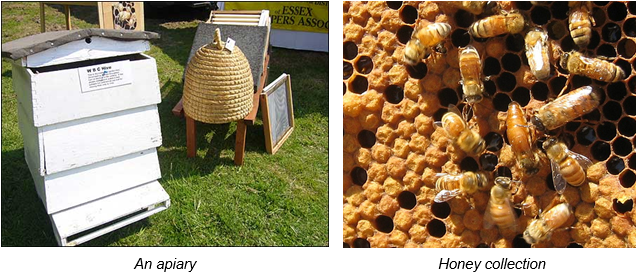
Bee keeping is concerned with the commercial production of honey and wax. This practice of bee-keeping is called apiculture. Bee keeping is a low investment, less problematic and highly profitable enterprise. Therefore, farmers practice it as an additional source of extra income.
Important products of bee-keeping
Apiculture provides us with
- Honey: A sweet edible fluid containing sugar, water, mineral (calcium, iron), vitamins, amino acids, enzymes and pollen. It is a direct source of energy, helps in growth of our body and is also a blood purifier.
- Wax: It is secreted by wax glands of worker bees for construction of bee-hive.
- Propolis and poison: They are used in some Ayurvedic and Homeopathic preparations.
Varieties of honey bee used for honey production:
In India, local varieties as well as exotic varieties are used for commercial production of honey. The local varieties are Apis cerena indica (Indian bee), A dorsata (rock bee) and A. florae (little bee). The exotic variety is Apis mellifera (Italian bee variety). The Italian bees have high honey collection capacity. They sting some what less, stay in a given bee hive for long periods and breed well.
Honey bees represent a well organized division of labour. Each colony has 3 distinct castes – (i) one queen (female) producing upto 15,000 egg per day (ii) 10,000 to 20,000 workers (sterile) females (iii) few hundred drones (males) which are heavily built and meant to mate with the queen.
Commercial production of honey
For commercial honey production, bee farms or apiaries are established. Availability of flowering plants for collection of nectar and pollen is called pasturage. It plays a very important role in the quantity and quality of honey. Pasturage of mountains is different from that of plains and the taste of honey depends upon the type of flowers available for pasturage.
Selection of bee variety is another factor playing role in the commercial production of honey. At present the Italian variety is largely used in apiary and it yields an average of 50 to 200 kg of honey per time per year.
Solved Examples (One Marks Each)
Question: What are draught animals? Give two examples.
Solution: Animals used in agriculture and for transport are called draught animals. Examples are bullocks and horses.
Question: Name two shell fishes.
Solution: Prawns and molluscs
Question: Name the two components of cattle feed.
Solution: Roughage and concentrates
Question: What do you understand by period of lactation?
Solution: The period from the time the calf is born until the cow ceases to give milk is called the period of lactation.
Solved Examples (Two Marks Each)
Question: For increasing production, what is common in poultry, fisheries and bee-keeping?
Solution: Variety improvement, housing, rearing, sanitation, disease control and marketing.
Question: How do good animal husbandry practices benefit farmers?
Solution: Good animal husbandry practices are needed to meet out the growing demand of milk, eggs, meat, etc. These practices finally benefit the farmers.
Question: What do you mean by 'layers' and broilers?
Solution: Egg laying birds are usually called egg layers or simply layers. The meat producing birds are broilers.
Solved Examples (Three Marks Each)
Question: Why is improvement in poultry birds done?
Solution: The improved varieties are developed for the following desirable traits.
- Number and quality of chicks.
- Dwarf broiler parent for commercial chick production.
- Summer adaptation capacity/tolerance of high temperature.
- Low maintenance requirements.
- Reduction in size of egg-laying bird with ability to utilize more fibrous, cheaper diets formulated using agricultural by-products.
Question: What are the advantages of composite fish culture?
Solution: Composite fish culture is advantageous, economical and profitable from business point of view. It yields about 8 – 9 times more production as compared to monoculture. In composite fish culture, 5 or 6 species of fast growing fish are cultured in a single fishpond which do no compete with each other for space and nutrition. They live in distinct zones inside the pond and have distinct feeding habits. Thus, composite fish culture gives more profit and costs less.
Solved Examples (Five Marks Each)
Question: What is bee-keeping? Write a note on the commercial production of honey.
Solution: Bee keeping is concerned with the commercial production of honey and wax. For commercial honey production, bee farms or apiaries are established. Availability of flowering plants for collection of nectar and pollen is called pasturage. It plays a very important role in the quantity and quality of honey. Pasturage of mountains is different from that of plains and the taste of honey depends upon the type of flowers available for pasturage. Selection of bee variety is another factor playing role in the commercial production of honey. At present the Italian variety is largely used in apiary and it yields an average of 50 to 200 kg of honey per time per year.
Proficiency Test - 2
Q. 1 – 5 are of one mark each.
Q. 6 and 7 are of two marks each.
Q. 8 and 9 are of three marks each.
Q. 10 is of four marks.
- What is pasturage?
- Define poultry.
- Name the six species of fish cultivated in composite fish culture systems.
- What is apiculture?
- What are the products obtained from bee-keeping?
- Name two marine fishes and two fresh water fishes.
- What is the importance of cattle farming?
- Discuss the implications of the following statement. "It is interesting to note that poultry is India's most efficient converter of low fibre food stuff (which in unfit for human consumption) into 'highly nutritious animal protein food'".
- What are the desirable characters of bee varieties suitable for honey production?
- Write descriptive notes on the following.
- (a) Mariculture
- (b) Marine fisheries.